
Balance · Motion · Recovery
Mobile recovery and rehabilitation support for horses – wherever your horse is
Cold compression, red and near-infrared light, laser photobiomodulation and PEMF – combined in a considered, documented programme. We come to your stable, your yard day and the show ground.
We do not diagnose: injured horses are treated only after a veterinary diagnosis and in line with the vet’s plan.
- Yard · competition · private stable
- Single session or 3 / 5 / 10-session course
- Documented progress
Treatments
Three treatment programmes – one approach
Every programme is tailored to your horse’s current condition, workload and – where relevant – the veterinary rehabilitation plan.
After work and competition
Recovery
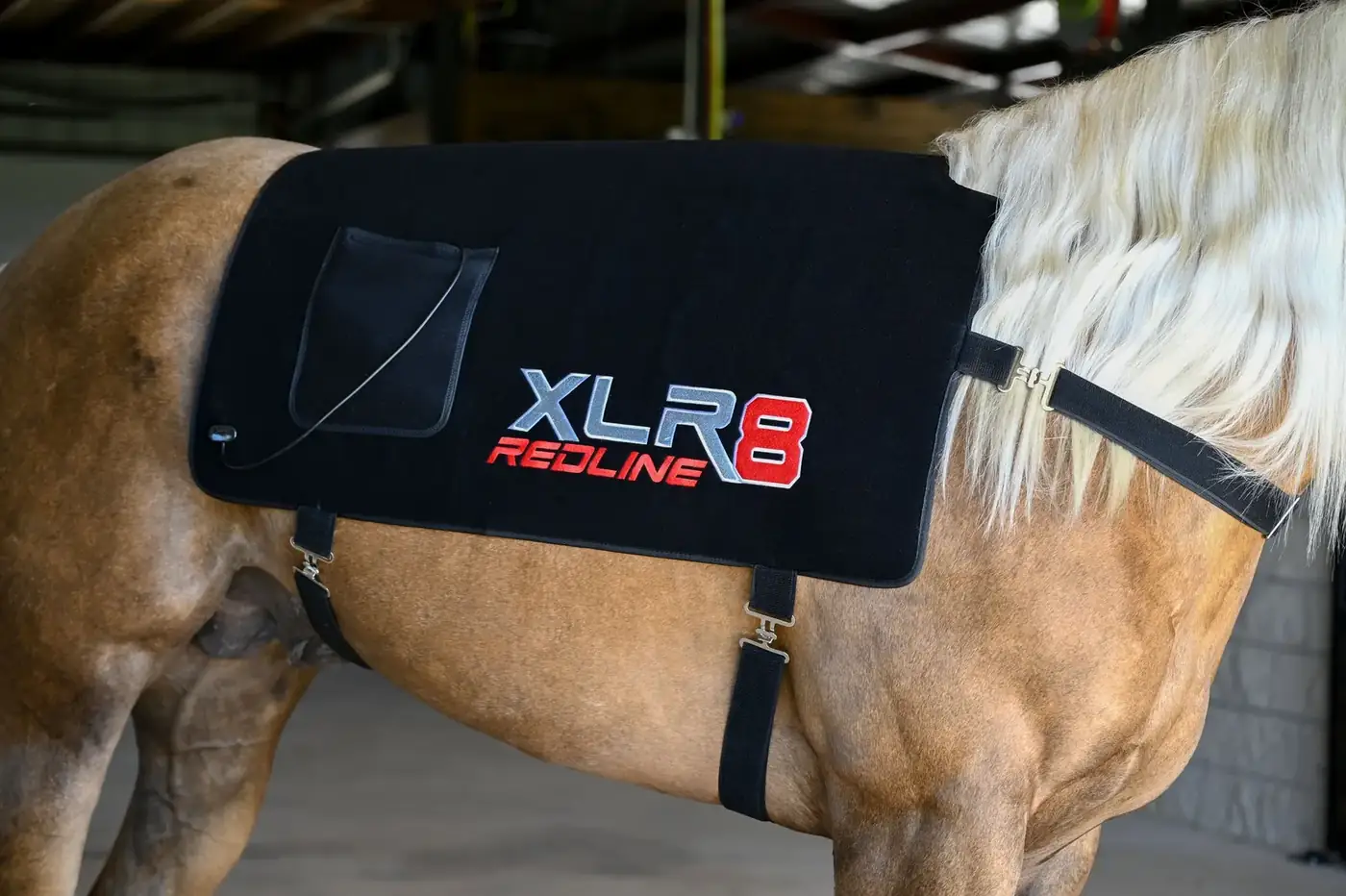
Back and trunk
Back Relief

After veterinary diagnosis
Tendon & Ligament
Recovery doesn’t start only when there is already a problem.
Thoughtful recovery is part of the long-term management of a sport horse – alongside appropriate training, rest, nutrition and veterinary care.
Events
A recovery point at your yard day or competition
We set up a mobile recovery station at yard days, training camps and competitions. Riders book time slots in advance – and organisers add a premium, value-adding service to their event.
- Several horses back to back, on a pre-agreed schedule
- To support recovery between competition days
- All we need is power and a quiet, covered spot
Who is it for?
Sport horses, horses in rehab – and horses that need a fresh start
01
Sport horses in work
02
Horses rehabilitating from a diagnosed problem
03
Poorly started or unsettled horses
How it works
How we work
01
Conversation
02
Horse profile and assessment
03
Treatment on site
04
Documentation and reassessment
Technologies
Four non-invasive modalities, combined with purpose
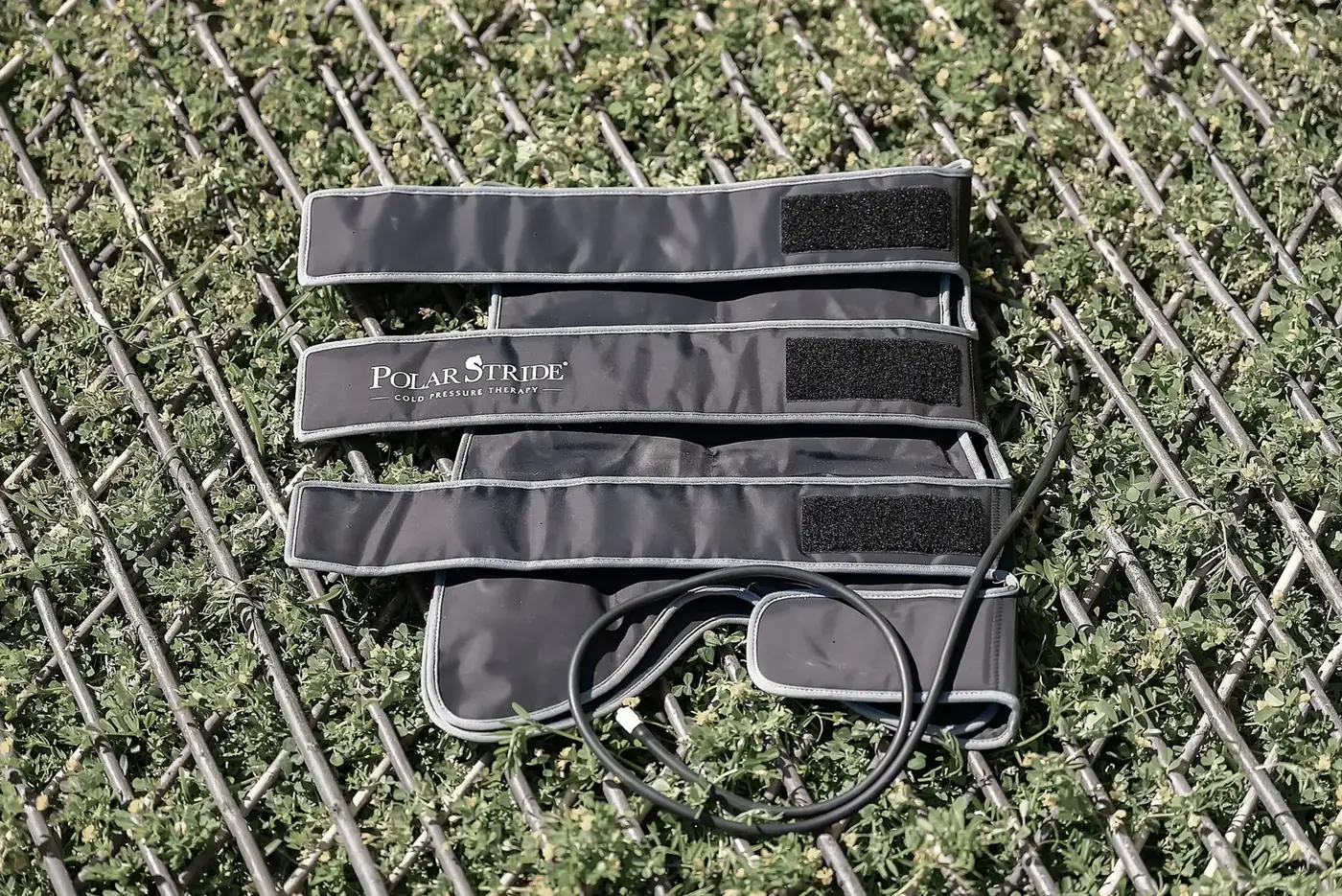
Cold + compression

Red / NIR light
Therapeutic laser
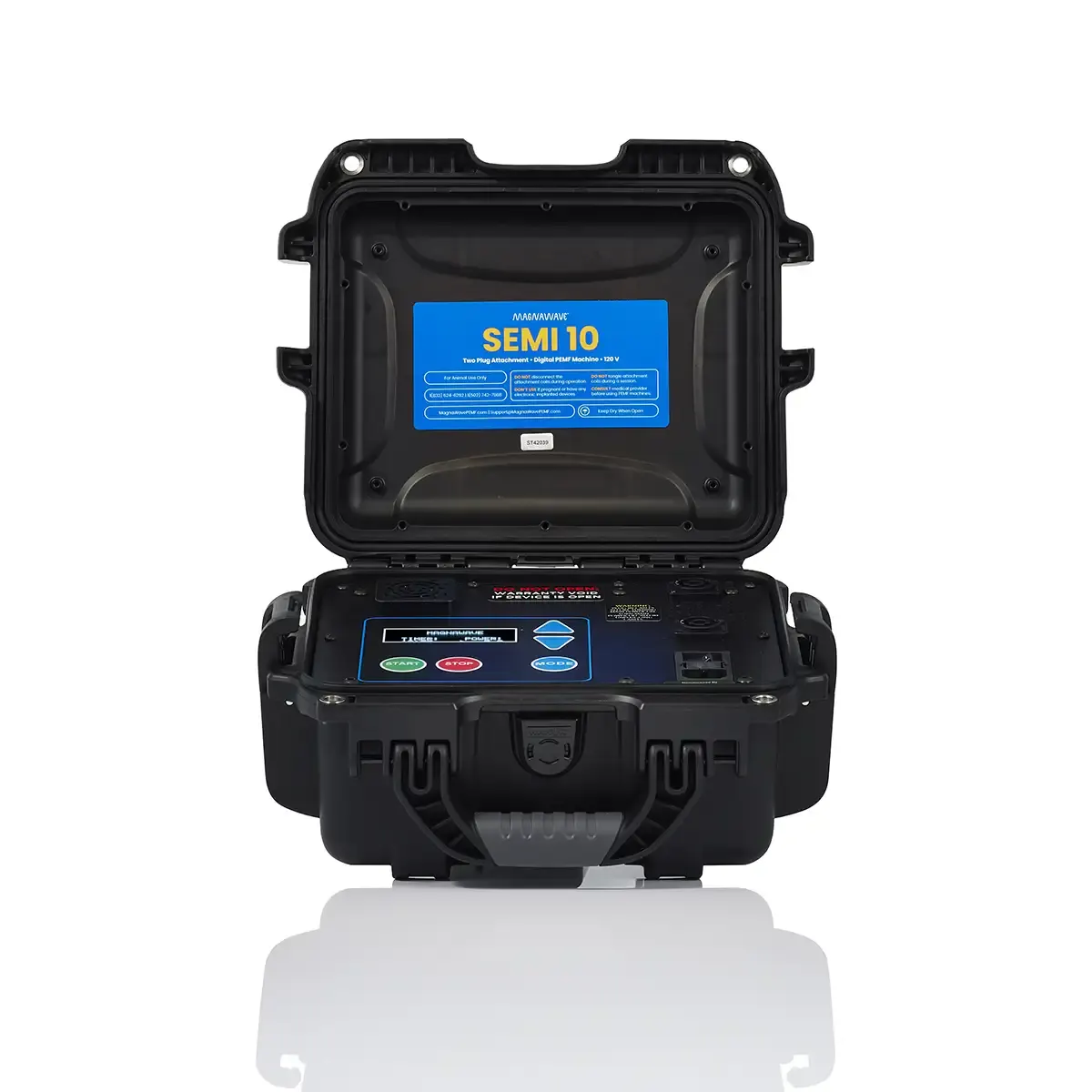
PEMF
Evidence, not promises
What has been measured in horses
We don’t label every technology “scientifically proven”. We say what was studied – and where the evidence is still weak.
−10.8 °C
61 horses
Preliminary

Premium programme
Residential horse rehabilitation
Livery, training based on the principles of the academic art of riding, and daily recovery in one place. For horses that need time: poorly started, unsettled or – with veterinary approval – returning after injury.
Scope of practice
What we do – and what we don’t
What we do
- Technology-based recovery and back maintenance for horses in work
- Complementary support for rehabilitation of diagnosed problems, in line with the veterinary plan
- Documenting treatments and tracking changes
- Working with your vet, farrier and trainer
What we don’t
- We do not diagnose or prescribe medication
- We do not replace veterinary examination or treatment
- With new swelling, heat, pain or lameness we ask you to call your vet first
- We do not promise healing, injury prevention or better results
What is SOREA?
SOREA is a mobile equine recovery and rehabilitation support service. We work on site – at stables, yards and competitions – with non-invasive technologies: cold compression, red and near-infrared light, laser photobiomodulation and PEMF.
Do I need a veterinary diagnosis?
Not for recovery or back maintenance of a healthy horse in work. For an injured horse, yes: we only work after a veterinary diagnosis and within the limits set by the vet.
Where do you travel to?
Private stables, yards, training camps and competition venues. We confirm the service area and travel terms when you enquire.
How many sessions are needed?
A single session makes sense for recovery. For ongoing or chronic problems we recommend a 3, 5 or 10-session course, because rehabilitation is a process, not a one-off treatment. Frequency is always set individually.
Enquiry
Tell us about your horse
Fill in the form and we will get back to you within one working day with a suggested programme, date and price.
- Free initial conversation
- We follow your vet’s report where there is one
- No obligation